


Comfort Dental
Food Tips for Healthy Teeth
 We all know that foods high in sugar and acid are bad for teeth, but did you know that some foods are actually good for them? Incorporating these dental friendly foods into your family meals can both fight tooth decay and prevent gum disease. Here are five oral health friendly foods!
Almonds,Brazil Nuts,and Sesame Seeds. These foods contain phosphorous, magnesium, potassium, zinc, and most importantly, calcium. Dietary calcium is not only good for your bones, it may actually contribute to tooth remineralization and fight tooth decay. Make sure to get the unhulled variety of sesame seeds, which are incredibly high in calcium.
Strawberries, Kiwi and Citrus Fruits. These fruits have the highest concentration of Vitamin C, which helps to increase collagen in gum tissue and prevents gum disease.
Onions. Toss some raw onion on your salad or eat them on your hamburgers. Onions contain powerful bacteria fighters because of their sulfer-containing compounds and are natural cavity fighters.
Shitake Mushrooms. Recent studies show a natural sugar found in shitakes, called lenithan, specifically targets the bacteria which causes gingivitis (gum inflammation) and tooth decay while leaving non-harmful bacteria alone.
Apples and Celery. Water rich fruits and vegetables stimulate saliva production, which rinses teeth of bacteria. With their high fiber content, they act as natural tooth brushes, scrubbing your teeth as you chew, removing plaque and bacteria that may otherwise build up.
These simple everyday foods are great choices for snacks or to add to meals your family already enjoys. Put onions or shitakes as toppings on your pizza. Serve celery and apples with peanut butter and make a smoothie with your strawberries and kiwi. Nuts can be eaten as a snack on their own or try them as nut butter spread on toast. You can even throw nuts and sesame seeds in a stir fry for added texture and flavor as well as the nutritional benefit.
Green Tea. Besides these five teeth healthy foods, you can even get a boost for your oral health by drinking this powerhouse liquid! Green tea contains “catechins” that actually fight inflammation and control bacterial infections. One Japanese study found that regular green tea drinkers had less incidence of periodontal disease compared with people who drank the tea irregularly. So try drinking green tea instead of that second cup of coffee or have a refreshing green iced-tea on a hot afternoon.
Besides brushing and flossing, what you eat can make a difference to your oral health. It’s nice to know you can eat foods that taste good and be doing something good for your teeth at the same time. Now that’s something we can all smile about!
Considering the Costs of Dental Implants
 When compared to the costs of other tooth replacement options, boy do dental implants seem expensive! Yet you may be surprised to learn that, in the long run, dental implants can be more affordable than their traditional counterparts. Understanding this procedure and the factors that determine the costs can help you decide if dental implants are a good investment for you!
What is a Dental Implant? A dental implant is a permanent replacement for lost teeth. It is made of an artificial tooth firmly held in place by a tooth root made of titanium (which is biocompatible) that is surgically placed into your jaw. Dental implants help stabilize the jaw and the bone around it to avoid future bone loss and maintain the shape of your jaw. They never have to be removed and feel more natural and comfortable than dentures. And unlike bridges or crowns, which are cemented in, the chances of slippage or shifting are eliminated. With implants, talking and eating become worry free.
Steps In a Dental Implant Procedure. We will first use extensive imaging to determine bone health, height, and thickness to assess your bone and teeth structure carefully. The surgery itself is done in our office in separate stages. First, the implant is surgically placed into your jawbone, completely hidden within your gum tissue. Once the implant has integrated into your bone, a healing process of about 4 to 6 months, the next stage is the placement of the abutment, or the post that penetrates the gum and will connect the replacement tooth to the implant. The final stage involves attaching your artificial tooth (made from impressions of your natural tooth) to the abutment. If more than one tooth is being replaced, a removable bridge is used, as it is more affordable than implanting each tooth separately. For a bridge, it takes only one implant on either side to span an area holding several teeth. The bridge snaps into place for a more permanent and natural fit than dentures.
Factors That Affect the Cost. While dental implant surgery is a safe and routine option, it is a complex procedure that takes time and expertise to be done effectively. There are many factors that will influence the final costs including what X-ray and CT scans are necessary to evaluate and assess the implant area and the brand and material of the post, abutment and artificial teeth. However, the biggest cost factor is the complexity of the surgery itself. For example, how many teeth are we replacing and what is the location? Will additional procedures, such as bone grafting or sinus elevation be required? We do our best to make sure that your estimate includes all of the possible costs of each of the steps of your procedure.
While dental implants may seem expensive, they are often more affordable in the long run than traditional restoration methods such as crowns and bridges, which are more vulnerable to damage and usually require repairs or replacement every few years.
Dental implants are known to have a 95% success rate when completed by professionals with the right experience and training, such as us! Because dental implants offer a permanent solution, are natural and comfortable, and require little maintenance, they are a cost effective choice for most of our patients.
Veneers: Be The Architect of Your Own Smile
Partnering with your dentist and choosing the shade and other aesthetics of your new smile!
 Have you ever wanted to be the architect of your own smile? Do you look in the mirror and pinpoint exactly what you’d change about your teeth, if you could? Veneers are your opportunity to do, just that!
There are certain qualities a veneer candidate’s mouth must possess. These qualities are as follows:
- Good overall health
- Absent signs of tooth decay and/or gum disease
- Not a habitual teeth grinder
- Properly aligned bite, teeth are more or less in normal positions
- Sufficient tooth enamel in order to support the veneer
After you have become an approved veneer candidate, we will become partners in designing your ideal smile! Veneer qualities can be described as: durable, hard, strong, translucent and glassy. Most people may not know this but veneers actually are fairly translucent and act like a contact lens would on your eye. This translucence allows for the natural tooth color to come through, yet that the lab technician can bake your approved hue into your set of veneers can enhance the shade. There are three aspects to the shade selection process.
- Color Tone – the natural tones of teeth are: red, blue and yellow
- Chroma – the intensity of the hue
- Value – the darkness or lightness of the hue
You will still be able to eat hard food (such as an apple) and maintenance of your new veneers will not differ from your current tooth care routine. Brush and floss as normal, simply avoiding abrasive toothpastes. A good home care regimen will insure your veneers lifespan.
If you’re thinking about veneers you should call us so we can help you decide if this cosmetic service is right for you! It’s never too late to get the smile you’ve always dreamed of.
Fluoride: Nature’s Cavity Fighter
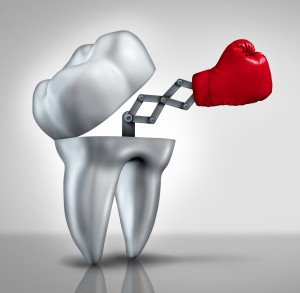 Nobody likes coming to the dentist to have a cavity filled! Many of our patients ask us how stop a cavity before it happens. Many people have heard of fluoride but wonder how it works and if it is safe. We wrote this blog to answer your questions about fluoride and to help you understand its benefits and how to use it effectively.
Fluoride occurs naturally in certain foods. You might be surprised to learn that it can be found in black teas and raisins, and in our water sources, such as lakes and rivers. And, because it provides such good protection from tooth decay, it has been added to dental products to help prevent cavities.
Fluoride works for both children and adults. It’s true! Before teeth even erupt through the gums, fluoride taken in from certain foods and supplements makes tooth enamel stronger and therefore more resistant to decay. After teeth erupt, brushing with fluoride toothpaste helps rebuild (remineralize) weakened tooth enamel, reversing early signs of cavity formation. In addition, the fluoride you consume becomes a part of your saliva, constantly bathing your teeth with tiny amounts of the cavity fighter. While it is critical for infants and children to be exposed to fluoride when primary and permanent teeth are forming, new research indicates that topical fluoride is just as important in fighting tooth decay for adults!
Use the correct amount of toothpaste to benefit your teeth. While all toothpaste removes plaque (a thin film of bacteria that can cause gum disease and tooth decay), only toothpaste with fluoride can prevent tooth decay by making teeth stronger. Make sure you’re using the correct amount of toothpaste with your children!
- For very little ones, under 3 years of age, parents and caregivers should begin gently brushing teeth as soon as they come into the mouth with an amount of fluoridated toothpaste the size of a few grains of rice.
- For children ages 3 to 6, a pea-size amount of toothpaste is best. Everyone should brush their teeth twice a day and make sure to supervise children to help instill good habits.
Some mouth rinses also contain fluoride. You may already be protecting your teeth with fluoride without even knowing it! However, mouth rinses should not be used with children under the age of 6, as they may not be able it use it appropriately.
You may have fluoride in your water. Your community may have chosen water fluoridation (simply adding fluoride to drinking water) as a public health benefit. Water fluoridation is safe, effective, and healthy. The Center for Disease Control has noted water fluoridation as one of the ten best public health achievements of the 20th century.
For your best dental hygiene routine, ask us during your next visit about the right fluoride products for you and your family. Your oral health is our priority so we want to answer any questions that you have. Armed with the right information, your family can have healthy teeth for life. Contact our office to schedule your next visit! We can’t wait to see you soon!
Teeth Whitening- What You Should Know
 Teeth whitening can lead to a brighter smile and a more confident you. Whether your teeth have been stained from drinking coffee and tea, or you are just looking to make your teeth a few shades lighter to match your new tan, teeth whitening is a great way to start with a fresh “you.”
When it comes to choosing your options of obtaining a brighter, whiter smile, there are a few options. We offer “in office” whitening (could be a single session, some could require multiple appointments), using bleaching or gels. Then there are alternative, “at-home” treatments, which include over the counter strips, gels, and other options. Each option has its benefits, whether it is convenience, price, time, longevity of brightness, quality, the list goes on and on. There is no perfect formula to obtain the ideal brightness of teeth. You definitely will get what you pay for. Although more expensive, in-office treatments will boast the highest results, but not everyone wants to dedicate the time or money. The benefits of an at-home remedy are that they are more wallet friendly, and can be done on your own schedule for merely minutes a day, as frequently as you desire.
What you should to know:
Regardless of which approach you take to making your smile brighter, there are a few things you need to know about dental health when it comes to teeth whitening. Your teeth (more than likely) will be sensitive. The sensitivity should only last a short while after bleaching, but some of the at-home strips do seem to leave a lingering feeling, especially when exposing your teeth to extremely cold, or extremely hot food and drinks. If your teeth continue to be sensitive for multiple hours or even days, it is recommended to avoid using those whitening products and consult us for the best alternative. In addition to tooth sensitivity, the gums may also become slightly irritated when exposed to the peroxide in the gels and bleaches. We generally use a rubber “dam” to protect patient’s gums from contact, but the at-home kits are usually one size fits all and may involve contact to the gums.
All in all, as with most things, there are general side affects, and will affect everyone differently. Be cautious and observant when considering whitening options. Read all instructions carefully and understand that some products will offer results quicker than others, and one product may work well for one person, but not for others.
Contact our office today to find out what the best whitening option is for you!
Dental Implants vs Dentures and Bridges
 Whether it was during a consultation in our office or perhaps while you were doing your own research online, you have probably come across the term “dental implant” at some point. A dental implant is a great way, often the best way, to replace a missing tooth.
So how do you decide if a dental implant is the right path for you, or if a more traditional tooth replacement method such as dentures or bridges is the best way to go?
We have been asked this question many times, and have compiled a comprehensive breakdown of the benefits that implants offer over their conventional counterparts. We hope that this guide will help make the decision process easier for you.
Dental Implants vs. Dentures and Bridges: Things to Consider
- Longevity: Dental implants offer a long-term solution (often lasting a lifetime) to missing teeth, while dentures and bridges require replacement every 5 to 10 years. Not only does this mean less hassle, it also means that implants may be more affordable over time.
- Quality of Life:
- Simply put, dental implants look, feel and function more like natural teeth than do dentures and bridges.
- With a dental implant, our patients can hardly notice the difference when biting into hard objects. They also look more natural.
- In addition to that, dental implants are fixed – they are not going to fall out while you are talking or smiling, and you don’t have to put them away each night when you go to sleep. They remain in your mouth, anchored to your jawbone at all times.
- Bone Stability and Health: Just like muscles, bones also need a “workout” in order to maintain their mass and health. So when a tooth is missing from the jawline, the bone underneath the old tooth site becomes atrophied and shrinks. Dentures and bridges do nothing to help this deterioration. However, dental implants actually screw into the bone and integrate with it, actually encouraging new bone growth.
- Overall Health: Because implants allow for a normal range of food choices in the diet (a benefit not afforded by dentures), they encourage you to continue your healthy lifestyle for the rest of your life!
Do you still have questions? As always, we are here to answer any questions you have. Give us a call for more information!
The Science Behind Oral Cancer
 Can drinking coffee really help prevent oral cancer? What about different types of foods? Numerous studies have been published that claim certain foods and drinks can prevent oral cancer but when it comes to a disease that will affect 43,250 people this year, it’s important to get the facts.
Oral cancer, also referred to as mouth or head and neck cancer, occurs when there is a problem with the lifecycle of a normal, healthy cell. Cells are supposed to grow and divide into new cells as your body needs them but when this process goes wrong, your body over produces cells. These extra cells can cause a tumor to form. Depending on the type of cells in the tumor, it could be cancerous or benign.
Some studies may say they have proof that a specific food or drink helps to prevent mouth cancer but in reality the best way to prevent the disease is to avoid certain risk factors like smoking and drinking. Drinking in excess accompanied by smoking makes you highly susceptible to the disease and should be avoided.
Most oral cancers start in the tongue in what are called the flat cells and they can spread to other parts of the body if they aren’t caught early (in doctor lingo, cancer of these flat cells is called squamous cell carcinoma). Interestingly, when these oral cancer cells spread to other parts of the body such as the lungs, they are still considered oral cancer cells rather than lung cancer cells. Where these abnormal cancer cells begin is what they will always be referred to as, regardless of where they spread.
Doctors still don’t know why one person gets oral cancer while another person does not, but it is important to note that oral cancer is NOT contagious. Avoiding risk factors and eating healthy is key to preventing oral cancer. Make sure to visit us regularly so we can check for signs of oral cancer!
Bar Attachment Denture Questions Answered
 With all the different dental treatments out there these days it’s hard to keep track of what might be the best option for you. If you currently wear dentures or are missing all of the teeth on your top or bottom jaw, then Bar Attachment Denture dental implants are most likely the right choice. Bar Attachment Denture dental implants are different than dentures in that they are a permanent set of teeth that do not require removing. They look and feel like real teeth and tend to be much easier to deal with than dentures. Let me answer some common questions about what Bar Attachment Denture really involves:
How are Bar Attachment Denture dental implants different than traditional implants?
Whereas in the past, implants for a whole row of teeth used anywhere from six to eight implants, Bar Attachment Denture (you guessed it!) only uses four implants. This means less time spent in surgery and a more comfortable experience for you.
Who is the best candidate for Bar Attachment Denture?
If you’re already wearing dentures and find them to be uncomfortable, you are a prime candidate for this procedure. If you’re missing teeth and can’t decide between dentures or implants, I urge you to continue reading and give us a call to schedule a consultation. In either case, if you’re missing your natural teeth, Bar Attachment Denture is in most cases the most favored treatment.
Is it a painful procedure?
Most of our patients who have received Bar Attachment Denture implants have described the procedure as being relatively painless. We will discuss all the anesthesia options available to you during your consultation and monitor your vital signs during the entire procedure.
Are there any foods, drinks, or medications that I need to avoid before the procedure?
We will discuss all the medications you use during your consultation and let you know if there are any you should stop taking before the procedure. We may ask you to stop taking medications like blood thinners a few weeks before your scheduled procedure. If we decide that sedation is the best option for you during the surgery, you won’t be able to consume any food or drinks, including water, eight hours prior to the procedure.
I encourage you to give us a call if you’re unhappy with your dentures or if you are in the process of deciding between dentures and Bar Attachment Denture. I hope to speak with you soon!
Are Dental Implants Worth It?
 What’s involved in a dental implant? Do they hurt? Can anyone get them? There are a lot of questions surrounding dental implants but one thing is certain; they’ve been reconstructing smiles for over 35 years with amazing results. But what’s the fuss surrounding dental implants and are they really worth it? Lets answer some question to help you decide for yourself.
Can anyone get a dental implant? Anyone who is healthy enough to get a dental implant can get one as long as they have enough bone to hold the implant. This is where bone grafting comes in for those who have been told their jawbone won’t hold an implant. Keeping up with regular oral hygiene is also an important factor and heavy smokers may be told it’s not a safe option.
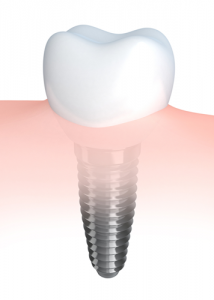
What exactly is a dental implant? A dental implant replaces your tooth root with a metal rod. It provides a solid structure on which to place a new tooth that is made to match your real teeth. Dental implants not only improve the overall look of your smile but they’re durable, convenient, and easy to take care of.
What are the steps to getting a dental implant? As your doctor, we will want to develop an individualized treatment plan that focuses on your specific needs. Once we have agreed on a treatment plan, the next step will be the placement of the implant in your jaw. The implant is made of titanium and once placed the jawbone will actually begin to grow around it. In about six to twelve weeks the implant will have completely bonded to your jaw and it will be time to attach a small post that connects your new tooth to the implant. We create a mold of your bite that allows us to create your new tooth. This replacement tooth is then attached to the post and the implant process is complete!
Lastly, how painful are dental implants and are they difficult to take care of? Most patients have said they experienced very little discomfort when receiving their implant. Many have even said the process is much less painful than a tooth extraction. Mild pain that may occur for a few days after you receive your implant can be treated with over-the-counter pain medication. Dental implants require the same care as your real teeth but generally they are much easier to clean and you don’t have to worry about cavities.
We hope this answers some of the questions surrounding dental implants. If you’re missing a tooth or teeth, give us a call to ask more about the procedure. We’ve seen many patients leave happy and comfortable with their improved smile!
Dental Implants vs Dentures and Bridges
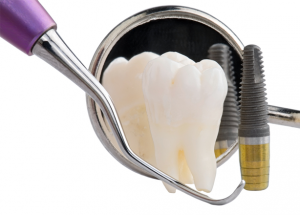 Whether it was during a consultation in our office or perhaps while you were doing your own research online, you have probably come across the term “dental implant” at some point. A dental implant is a great way, often the best way, to replace a missing tooth.
So how do you decide if a dental implant is the right path for you, or if a more traditional tooth replacement method such as dentures or bridges is the best way to go?
We have been asked this question many times, and have compiled a comprehensive breakdown of the benefits that implants offer over their conventional counterparts. We hope that this guide will help make the decision process easier for you.
Dental Implants vs. Dentures and Bridges: Things to Consider
- Longevity: Dental implants offer a long-term solution (often lasting a lifetime) to missing teeth, while dentures and bridges require replacement every 5 to 10 years. Not only does this mean less hassle, it also means that implants may be more affordable over time.
- Quality of Life:
- Simply put, dental implants look, feel and function more like natural teeth than do dentures and bridges.
- With a dental implant, our patients can hardly notice the difference when biting into hard objects. They also look more natural.
- In addition to that, dental implants are fixed – they are not going to fall out while you are talking or smiling, and you don’t have to put them away each night when you go to sleep. They remain in your mouth, anchored to your jawbone at all times.
- Bone Stability and Health: Just like muscles, bones also need a “workout” in order to maintain their mass and health. So when a tooth is missing from the jawline, the bone underneath the old tooth site becomes atrophied and shrinks. Dentures and bridges do nothing to help this deterioration. However, dental implants actually screw into the bone and integrate with it, actually encouraging new bone growth.
- Overall Health: Because implants allow for a normal range of food choices in the diet (a benefit not afforded by dentures), they encourage you to continue your healthy lifestyle for the rest of your life!
Do you still have questions? As always, we are here to answer any questions you have. Give us a call for more information!