


Comfort Dental
Serving Patients with Special Needs
 We are committed to making care available for all patients who need it, regardless of special healthcare needs. Patients with special needs include the elderly, those with limited mobility, mentally disabled individuals, immuno-comprimised people and those with mental illness. Specific diseases that can frequently hinder proper dental care include autism, Alzheimer’s, Parkinson’s, Cerebral Palsy, Multiple Sclerosis and Down syndrome.
Often times, these individuals have higher rates or poor hygiene, which leads to greater incidence of gingivitis, periodontitis and dental caries. These conditions can sometimes require root canal therapy or other dental procedures to save the patient’s tooth. While treating a patient with special needs, we strive to ensure:
– A friendly and comfortable environment
– Sensitivity and compassion from team members
– Predictable experiences at each appointment
Our team posses the compassion and understanding that is imperative when caring for a special needs patient. Some cases involving severe disabilities may require specialized equipment and general anesthesia. We realize that each individual with special needs is a unique case and will require different systems and skills to properly treat. We are confidant we can provide competent care for the majority of patients who are labeled as special needs.
For patients who are specifically incapable of ideal hygiene, it is essential that the people in daily contact with them become involved in their oral healthcare requirements. If you are a caregiver for a patient with special needs, the best course of action to determine if we can offer treatment is to call our office with any questions and possibly reserve an appointment to tour our facilities. If more complex oral care is required, we will refer you to the appropriate specialist who also works with the special needs population.
Dental Implants- Changing the Way We Treat Missing Teeth
Dental implants are rapidly becoming the standard of care in how we, as dental professionals, deal with missing teeth. And while the incidents of adults losing permanent teeth has been declining for decades, there is still a good chance that at some point in your life you too will require treatment for a lost permanent tooth.
The way this was treated in the past was by one of two methods. The first method was to install a bridge. The second commonly used method was dentures. But both of those methods present their own challenges and hassles to patients. Thankfully, dental implants have improved so much over the years that more often than not they are a better choice for a patient’s oral care plan.
Here are our top five reasons that dental implants have a leg up on their old competitors.
- Almost Natural: Dental implants are so sturdy that they feel and function just like a natural tooth. This is achieved by inserting a screw into the jaw which is allowed to bond with the bone in that area.
- Longevity: Dentures are a long term solution and have the ability to last a lifetime when properly placed and taken care of. By contrast, traditional bridges last only about 5-7 years.
- Fully Functional: Unlike dentures, which have a tendency to slip or feel uncomfortable and might even cause worry about possible embarrassments in public, dental implants don’t move when you are eating, talking or moving around.
- Face Shape Protection: When a permanent tooth is lost, over time the face and smile can sag. Dental implants fill in those spaces and allow you to keep your natural face shape longer!
- Keeps your Jaw in Shape! Dental implants actually stimulate natural bone growth when set in the jaw. Without them, the jaw gets lazy and can deteriorate.
If you have a site in your mouth where you are missing a tooth and have been wondering what to do about it, give us a call today for a consultation to see just how great dental implants can be!
All Oral Bacteria are Not Equal
 The mouth harbors a diverse and plentiful and microbial community due to its hospitable environment. It is warm, nutrient-rich and maintains an ideal pH balance. This highly diverse microflora inhabits the various surfaces of the normal mouth- gums, teeth, tongue, and cheeks. What many people don’t realize is that most of the bacteria are beneficial organisms and live in harmony with each other and the human body.
The “Bad Guys” of Dental Bacteria
Interestingly, a new born baby’s mouth does not contain bacteria, but becomes colonized rapidly in the early stages of life. Nobody knows for sure how many different bacteria species there are. Estimates in the oral cavity alone vary between 500 to 650 different species. Only a few specific species are believed to cause dental caries, including Steptococcus mutans, considered the most important bacteria involved with tooth decay. However, the type of bacteria varies according to the progress of tooth destruction.
This harmful bacteria collects around the teeth and gums forming a sticky, creamy-colored mass called plaque. Some areas of the mouth collect plaque more commonly due to less salivary flow, such as grooves in molars and between teeth. The oral cavity actually contains the only known part of the human body that does not have a regulated system of shedding surfaces: the teeth. This allows plaque to adhere to the surface of teeth for long periods of time. At first, plaque is soft enough to come off easily with a toothbrush. However, it starts to harden within 48 hours. After about 10 days, the plaque becomes dental calculus, called tarter, and is now difficult to remove.
Villains Love Carbohydrates
Sugars from candy, soft drinks, and fruit juice can play a significant role in tooth decay. When sucrose (table sugar), the most common of sugars, coats the surface of the mouth, some intraoral bacteria interact with it. The result is lactic acid, which decreases the pH in the mouth. This demineralization allows for greater bacterial invasion deep into the tooth.
Carcinogenicity, or the extent to which tooth decay is likely, depends heavily on how long the sugar remains in the mouth. Surprisingly, it is not the amount of sugar ingested but the frequency of sugar ingestion that is the most important factor in tooth decay.
Bacteria’s Kryptonite
Oral hygiene is key to battling the bacteria “bad guys”. Brushing your teeth twice a day will reduce dental plaque and food particles collecting around your teeth. Additionally, it is imperative to floss daily to wipe all your enamel surfaces free of plaque to discourage bacterial growth. Good general oral-health habits can usually prevent enough bacterial growth to keep tooth decay from starting.
Chomp! Fun Facts about Teeth
As children, we are obsessed with our teeth. Counting them, watching them fall out and grow back in. Waiting for the tooth fairy’s surprise. And as adults, we are still obsessed with them, but maybe in a different way (as in “why do they always hurt and why aren’t they white anymore?”) So just for fun, and to further indulge in this fascination with teeth (See? It’s not just dentists that are obsessed with them), here are some fun facts about teeth.
 This is a great article to share with your children! How many of these facts did you already know?
Sharks don’t get cavities. Why? Because their teeth are coated in fluoride. That combined with the fact that they have rows and rows of replacement teeth, ready to go at a moment’s notice, give them an unfair advantage over humans when it comes to oral health.
You are lucky! You have three types of teeth: (1) Incisors to bite pieces off, (2) Canines to hold and tear, and (3) molars to grind food. This allows you to eat a wide variety of foods. Some animals, like crocodiles, aren’t so lucky, they only have sharp teeth to grab and kill, which greatly reduces their restaurant choices.
Enamel is the hardest material in the human body. It is considered the last line of defense for your tooth. Normal wearing down of enamel does occur over time and is simply a part of aging. But bacteria can cause this breakdown to accelerate, which is why we brush and floss regularly!
Taste buds only live for about 10 days, or 2 weeks if they are lucky. They go through a life cycle just like every other cell renewal processes in the body.
Sharkskin is covered in teeth. Don’t believe me? Both sharks and their cousins, rays, are covered in what are called dermal denticles. Although they look like scales they are actually just modified teeth, with an enamel coating and all! These protect them and also help them swim faster, but enough about sharks.
The jaw muscle, called the “masseter”, is the strongest muscle in the body if we are talking about strength based by weight. When all of these muscles work together, the jaw exerts 55 pounds of weight on the incisors and 200 pounds on the molars. This is why we take jaw disorders like teeth grinding, TMJ and bruxism very seriously – that’s a lot of force! Call us today if you suspect you might be a teeth grinder.
Did you know any of these fun facts about teeth already or did we surprise you?
Considering an Upgrade to Dental Implants?
Have you been thinking of upgrading your current tooth replacement strategy but aren’t sure where to start? This is a great time of growth in modern dentistry, especially when it comes to replacing missing teeth! With the evolution of dental implants, patients don’t have to suffer some of the pains of the past when older, traditional tooth replacement methods were used.
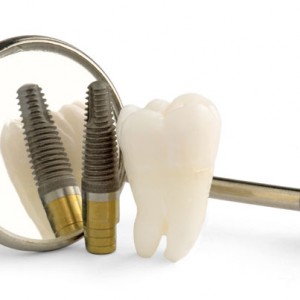 Traditionally, missing teeth were always “fixed” with bridges or dentures. And while both of those procedures are still in use by dentists and do still serve an important purpose, they often cause unintended problems in the mouth that modern dental implants may be able to alleviate, or avoid completely.
What is a dental implant, you may be asking? At the most basic level, a dental implant is simply a prosthetic tooth that is mounted to a metal post which is screwed into the jaw bone. The procedure is typically done in two visits. During the first procedure, a titanium screw is inserted into the jawbone, where it is allowed to “settle in” and bond, a process that takes about six to eight months. After that, the dentist creates a prosthetic tooth and attaches it to the titanium post for a fully functional (yet fake) tooth!
The benefit of dental implants is that, unlike dentures, they are almost unnoticeable by the patient. Anyone who has had dentures knows that they tend to slip and wear down and sometimes even cause mild pain or discomfort. With dental implants, you will not even know they are there. They function just like a natural tooth in your mouth, no slipping, movement or separate cleaning required. Similarly, patients who are used to receiving bridges may benefit by an upgrade to an implant as bridges have a tendency to invite bacteria and infection, requiring additional replacements.
Whatever your concerns about dental implants are, we are here to help. Give us a call today to see if dental implants might be right for you!
What To Expect When Having a Tooth Extracted
One of the most common procedures done in our office is tooth extraction. The 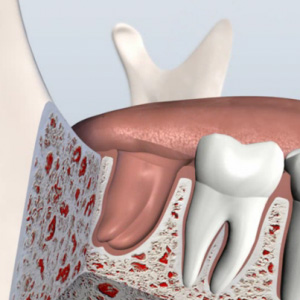 removal of teeth can be necessary for a number of reasons, including:
- Joint problems in your jaw
- Shifting teeth
- Too much damage to tooth to be repaired
- Baby teeth that don’t fall out
- 3rd molars (Wisdom Teeth) impacted (wedged between the jaw and another tooth or teeth)
- May be needed to create room for other teeth (such as when you’re getting braces)
Prior to Surgery
In preparation for surgery, we will obtain a full medical and dental history, as well as a list of all medications you take. This includes any vitamins, supplements, or over-the-counter drugs, as well as any medications you are allergic to.
An x-ray is then taken to assess the best way to remove the affected tooth.
You may be required to take antibiotics before or after surgery, depending on the duration of the surgery, or if you have a specific medical condition. Your doctor will discuss this with you if necessary.
Day of Surgery
At the time of surgery, your oral surgeon will numb the area around the tooth or teeth to be extracted with a local anesthetic, specifically numbing the affected tooth or teeth, your jawbone and the surrounding gums.
During the simple extraction process it is common to feel a lot of pressure. The affected tooth is firmly rocked back and forth so as to loosen it for removal. You should not feel any pain, just pressure. If, for any reason, you feel pain, please notify your oral surgeon immediately so that they can administer more numbing agent.
Surgical Extraction
A surgical extraction is a slightly more complex procedure that occurs when a tooth has not yet broken through the gum line, or has not yet fully grown into the mouth. When a surgical extraction is needed, your oral surgeon makes a small incision into your gum in order to access the affected tooth. From here, the procedure is similar to a simple extraction. Your oral surgeon may stitch the incision site if necessary.
After Oral Surgery
After the extraction you will be asked to bite down on a piece of gauze for 20-30 minutes. This pressure helps to form a blood clot in the extraction site, a crucial part of the healing process. Be careful not to dislodge the clot.
It is common to have a small amount of bleeding 24 hours after surgery. We will provide you with detailed instructions after your procedure, but here are some important things to remember:
Medications/Pain Management
- Take pain medication as prescribed and recommended by your oral surgeon
- Research has shown that taking anti-inflammatory drugs, such as Advil and Motrin (NSAIDs) greatly decrease pain after an extraction
- Using an ice pack on your jaw can reduce swelling. 10 minutes on and 20 minutes off is standard for the first 24 hours. A warm compress can be used if your jaw is sore after the swelling has gone down
Eating/Drinking
- Eat soft and cool foods for the first few days
- Avoid hot foods and alcoholic beverages for the first 24 hours
- Chew food away from the extraction site
- Do not use a straw or spit after surgery. This can cause the blood cut to dislodge, greatly delaying healing
Brushing/Cleaning
- Avoid brushing the area around the extraction site for the first 24 hours
- Avoid using antiseptic and commercial mouth rinses – they can irritate the extraction site
- 24 hours after surgery you can rinse with warm salt water after each meal and before bedtime (1/2 teaspoon in one cup of warm water)
Healing
The extraction site will generally close up in about 2 weeks time, but it can take three to six months for the bone and soft tissue to regrow. Remember, tooth extraction is a common procedure and our caring team has years of experience helping patients through this easy treatment.
TMJ Treatment: A Cooperative Approach
As with many dental health procedures, the treatment of TMJ (temporomandibular joint) disorders requires a cooperative approach between you (the patient) and me (the doctor). Once we have diagnosed the condition and narrowed in on the problem, we have many different treatment options to explore together. And luckily, most cases of TMJ do not require surgery.
 Symptoms of TMJ disorder range from an aching jaw and painful ear to difficulty chewing. Oftentimes there is a clicking noise when chewing. And occasionally, locking of the joint can even occur.
The causes are just as wide-ranging as the symptoms. Sometimes TMJ disorder is caused by a lack of cartilage, sometimes by a blow or impact injury, and occasionally it can be caused by excessive teeth clenching or grinding.
Once we have diagnosed (or ruled out) TMJ disorder, we can get to work on developing a treatment plan for you. Here are some common treatment options that we will discuss in the office, divided up by: things we will do in the office and things you can do at home.
In the Office, we may:
- Administer medications to reduce the immediate pain and relax the muscle.
- Provide you with a splint (night guard). The purpose of this is to keep your teeth apart during the night, allowing the muscles to relax.
- Provide you with an anterior positioning appliance to keep your jaw forward.
- In EXTREME cases, where the jaw can’t open or is dislocated, surgery may be recommended.
At home, we may ask you to:
- Be mindful of keeping your teeth apart and resting your jaw when not eating.
- Use ice and heat packs to comfort the area.
- Eat soft foods.
- Be aware of your posture.
- Try a stress management routine that might include biofeedback.
Whatever type of jaw pain you are having, please give us a call so that we can help you figure out how serious it is and what to do about it!
Calming Your Nerves Before Dental Procedures
Almost everyone has some feelings of nervousness when thinking about visiting the dentist. We hear it all the time from our patients. But don’t worry (I know, easier said than done). It is totally normal to have a bit of anxiety (or even a lot of anxiety) before you come to our office.
 In our office, we have many years of experience in dealing with nervous patients. So to help you out, we’ve compiled this quick yet effective set of tips for dealing with those inevitable nerves before your dental procedure.
- Let us know! Sometimes just saying the words, “I’m a little bit nervous” can help by normalizing the nervousness itself a little bit, which instantly releases some of that stress that has the tendency to build up in your system. It also alerts us, which is great! In fact, we might just be able to help by doing procedures a little bit differently than we normally would or even just by offering some words of encouragement and reassurance.
- Music – Ask us to turn up (or down) the music in your exam room if that helps. Or, depending on the procedure, you may even be able to listen to your own MP3 player while we work away. Ask us ahead of time to be sure the procedure will allow for this.
- Breathe – Did you know that consciously taking a breath instantly calls to action your parasympathetic nervous system which is the part of the brain responsible for calming you down? The good news is that you always have your breath with you, so don’t forget to use it! Just by paying attention to your breath, for example, how it feels coming in and going out and the other sensations it creates, you can access the calming center of your brain. An easy breathing exercise that can be used anytime, anywhere, including in the dental chair is to breathe in for 4 counts, then out for 4 counts. You will instantly feel better.
We hope you find these tips helpful in dealing with your dental fears. Just remember, you are not alone.
Dentures – The End of An Era
You may have heard the term “edentulous”, a term that describes someone that has no teeth. Incredibly, more than 35 million Americans do not have any teeth. Despite advances in dentistry, this number is expected to grow in the next two decades along with an aging baby boomer generation. Tooth loss commonly results from decay and gum disease.
 Up until now, the only option for edentulous patients has been dentures. Their history is a long one. Scientists have found evidence of early dentures, dating back to 700 BC in present-day northern Italy, made of human and animal teeth. Over the years, the materials changed, but the inconvenience of ill-fitting dentures did not.
While dentures are extremely common, most patients find them uncomfortable and awkward. They can make daily tasks most of us take for granted, like talking and eating, difficult.
Presently, dental implants are rapidly becoming the standard of care. The biggest difference in the patient’s experience is that dental implants look and function just like their natural teeth. Most dental implant patients even report not being able to feel a difference! They do not slip or move inside the mouth as dentures are prone to do. Dental implants will generally last longer, as well. This is an important point to consider when comparing costs. While implants are more expensive, they usually last a lifetime. Dentures, on the other hand, can wear down and require replacement.
For patients looking for a more affordable replacement option, with the increased stability of implants, they may want to consider implant-supported dentures. Unlike traditional dentures, which rely on suction, implant-supported dentures are secured by dental implants. Regardless of which route an edentulous patient takes, it is clear that benefits of implants far outweigh those of dentures and will pave the way for a new era in tooth replacement.
If you are interested in exploring dental implants as a replacement for your own dentures, give our office a call to reserve a consultation today!
Can My Dental Implants Get Cavities? And other common questions…
In my practice, I hear dozens of questions every day about dental implants from concerned (or simply curious) patients. Every one of those questions is a good question and I always try to provide an equally good answer. To help you better understand an upcoming dental implant procedure, we’ve compiled a top-five list of the most common questions about dental implants that we field in our office every day:
 1. Can dental implants get cavities?
No. Because the implant-restored crown is an artificial (not natural) material, it cannot grow cavities, phew! However, you still need to have regular gum care and cleanings around the implant site just like you would for a natural tooth.
2. Can implants slip or fall out like dentures?
No. The artificial tooth (crown) is attached to the permanent titanium post that is set in the jaw. They will not slip around or fall out like you may have experienced with dentures.
3. Can I sleep with my dental implants in?
Yes! They are practically “permanent”, unlike dentures. You do not need to remove and soak them overnight.
4. Aren’t dental implants more expensive than bridges and dentures?
It depends. If you are talking about just a few teeth, implants may be cheaper over time than bridges because they last longer. However, if you need a whole row of teeth replaced, dentures may be a less expensive option for you. Each case is unique, however, so be sure to call us for a proper consultation. We are here to help you understand your costs and benefits so that you can make an informed decision.
5. How long will my dental implants last?
If implanted and cared for properly, dental implants can last for many decades or possibly even a lifetime. Some implants have been in patients for over forty years!
Don’t see your question on our list? Contact us today for quick answers!