


Comfort Dental
Porcelain Veneers for a Flawless Smile
You may already love your smile – that’s great! But what if you’re not happy with some of the minor details? To perfect an already great smile, we may recommend veneers. Porcelain veneers are a great tool for correcting minor imperfections on the surface of teeth and spacing issues as well!
Here are some common questions we are asked regarding veneers:
Will they feel weird on my teeth?
You won’t feel a thing. Veneers are thinner than your fingernails, so you won’t even notice them in your mouth. They are far less intrusive (and embarrassing) than braces.
How long do they last?
Longer than your car. A good, properly placed veneer can last from 10-20 years. And, just like a car, the better you take care of your veneers, the longer they’ll last. A great investment for an enhanced smile!
Will they ever fall off?
They’re not going anywhere. Veneers are attached to your tooth with a very strong bonding compound. It’s like superglue designed for teeth. They do not fall off and provide years of durable use.
Do veneers look like natural teeth?
You can count on it. Porcelain is the perfect material to copy tooth enamel, as it incorporates luster, shine and translucence to look just like your natural teeth. People will be remarking on your great smile for years to come.
What if the surrounding teeth are a different color?
We’ve got you covered. Generally we recommend a whiter shade of porcelain for the veneer and perform tooth whitening in conjunction with the veneer to give you a perfect match throughout your mouth.
Do veneers stain?
They’ll always be white. Porcelain veneers do not stain, even over time. That’s one of the reasons that we use this material!
If you want to take your smile to the next level, ask us if veneers are a good option for you!
Dental Implants: What to Expect
If you have been considering dental implant surgery, you might be concerned about what to expect. Questions such as: “Will I need to take time off of work?”, “Will I need bone grafting?” and “How quickly will I heal?” are not uncommon. We get that you’ve got questions, and we’ve got answers.
Placing a dental implant is a process that is different for each patient. The healing process and the steps required all depend on what’s going on in your mouth. The only way to know exactly what to expect is to consult with us at our office, but we’d be happy to give you an overview here:
Can I go back to work right away?
You may have read that it can take months to completely heal from a dental implant procedure. This is true, but a little misleading. Many patients are able to return to work the next day, but the mouth takes time to truly be ‘good as new’. It all depends on your specific procedure. We recommend that you plan to rest for a day. Keep in mind that your body will heal faster if you avoid exhausting yourself. If you take good care of yourself, you should be back to work very quickly.
How can I care for myself while I heal?
After the surgery, you will need to go easy on your mouth. Just like after any oral surgery, we recommend eating only soft foods for at least two weeks. You may be given antibiotics and instructions to rinse with salt water. Keeping your mouth clean is important to prevent infection. Avoid smoking.
About Bone Grafting
It may be the case that your bone is not strong enough to support the implant. In this case, bone grafting may be necessary. During this routine procedure, we take bone from a stronger part of your jaw or another part of your body, implant it into the jaw and are thus able to encourage your body to begin growing strong, new bone in its place. If you only need a small amount of bone, it may be possible to do the procedure during the same appointment as your implant surgery. However, it may be the case that you need to wait for bone growth to occur prior to us placing the implant. Every case is different.
Let us properly inform you on what you personally can expect! Schedule an appointment today!
4 Surprising Symptoms of TMJ Disorders
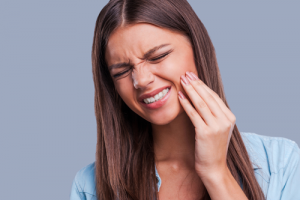 Common symptoms of Temporomandibular joint (TMJ) disorder such as jaw pain, clicking or popping of the jaw and clenching are well known, but did you know that you can experience symptoms of TMJ disorders throughout your whole body? TMJ disorders can be difficult to diagnose when your symptoms are not restricted to the jaw area, so to make diagnosis easier we’ve listed some symptoms you might be surprised to find out are related to TMJ disorders!
- Earache: Because the jaw muscles run from ear to ear, TMJ related jaw pain can also trigger ear pain, which is often mistaken for an ear infection. The pain actually doesn’t come from the ear at all, but originates directly beneath or in front of the ear.
- Neck pain: The temporomandibular joint plays a major role in keeping the head balanced on top of the spinal chord. The head weighs roughly 8 pounds, but bad posture due to joint misalignment causes this weight to be distributed unevenly, putting added stress on the neck and spine and causing the head to have a 30-pound pull on your muscles. No wonder neck and back pain are symptoms of TMJ disorders!
- Pinched nerves: When TMJ alignment is skewed, your muscles overwork themselves to compensate for the imbalance. The back is prone to TMJ related pain, as it becomes strained in order to maintain the body’s balance. This tension can lead to numbness in your extremities, so if you’re experiencing any tingling sensations in your arms, legs, fingers or toes, it could be a sign of a TMJ disorder.
- Obstructed airways: The tongue is attached to the lower jaw, so the position of the tongue in the mouth depends on your jaw alignment. Misalignment of the lower jaw could cause your tongue to sit too far back in the mouth and obstruct your airways. If your breathing feels abnormal, especially while sleeping, a TMJ disorder could be the culprit.
We hope that reading about these lesser-known symptoms will answer some of your questions about TMJ disorders. If you’re experiencing any of these symptoms, schedule a consultation with us to learn about your treatment options!
Root Canals: Your Toughest Questions Answered
 For most people, the mere mention of a root canal sets off alarm bells in the body. These bells come in the form of nervous thoughts and sensations – that fight-or-flight response we’ve all heard about. While this is a totally normal response, most fear of root canals is based on mis-information. We feel that by giving you the right information, we can help you understand the process better and calm your fears about this routine procedure.
This is not just your average list of root canal FAQs. Here, we aim to tackle the toughest questions that you can throw our way.
I’ve heard that root canals aren’t as painful as they used to be. How can that be true?
- Better Instruments: Endodontic instruments have improved greatly over the years. They are more precise than ever, allowing us to target only necessary areas and avoid excess irritation.
- Better Anesthetics: The anesthetics we use today are more effective and less likely to cause negative reactions than in the past. In addition, we can use an anesthetic that has adrenaline or epinephrine added to it to make it last longer. The longer it lasts, the less pain you will feel.
- Better Imaging: Modern imaging allows for a more precise treatment and lessens the need to cause irritation in non-infected areas.
- Better Understanding: Today, we have a better understanding of both your body and the microorganisms that cause infected roots. This results in less invasive treatments and better overall care for you.
What can I do to calm my nerves?
- Know the Facts:
- Over 15 million root canals are performed each year.
- Root canals save your natural teeth and save money down the road.
- Root canals are safe.
- Root canals relieve pain caused by infection – they don’t cause pain!
- Ask Questions: Sometimes patients are unsure about a specific part of the procedure and remain silent. We want you to ask questions! Usually we are able to set your mind at ease if you simply ask us.
- Plug In: Many patients bring music and earphones to the appointment to help pass the time in the chair. Ask us if this is an option for you before your appointment.
Why not just remove the tooth?
When a tooth hurts, often a person’s first reaction is to get rid of the tooth. However, we know that missing teeth cause bigger health problems and expenses down the road. The first choice in dental care is ALWAYS to save the tooth when possible. Root canal treatment saves teeth. In fact, a tooth that has undergone endodontic treatment can last just as long as the healthy teeth in your mouth!
After the Root Canal
 If you have a root canal scheduled with our office, congratulations! You have taken an important first step toward saving your tooth and, thus, your smile and your oral health down the road! You may be wondering what to expect in terms of pain and what to do to relieve it after your procedure. Luckily, we have saved our best tips for you! Read on for information on home-care after a root canal.
How much pain will I have?
You will be happy to hear that after root canal treatment, most people report little or no pain. Advancements in endodontic instruments and techniques over the years have made this procedure similar to having a filling done. While it is considered normal to have soreness for a few days following the procedure, make sure you call us if you have extreme pain or pain that lasts more than a week.
Here are our recommended pain management tips following root canal treatment:
Over the Counter Pain Medicine
For the majority of patients, an over the counter pain medication such as ibuprofen (Advil) or acetaminophen (Tylenol) is all that is needed to curb soreness and pain after a root canal.
Prescription Pain Medicine
If we feel that you may need it, we will send you home with a prescription for a stronger pain medication than can be purchased over the counter. Be sure to follow the instructions carefully on the package.
Ice and Heat
For additional comfort at home, you may apply a cool or warm compress to the cheek in the area that the procedure was performed.
Salt Water Rinse
A teaspoon of salt in room temperature water can sometimes help with pain in the days following your procedure. Rinse and spit for reduced swelling and discomfort.
Be Pro-Active with Pain Medication
Have OTC pain medications ready to go at home. Take them before the numbing solution wears off completely so that you are not caught off-guard with pain. If we give you a prescription for pain medicine, fill it before going home, even if you think you won’t use it. Stay on top of timing and dosage until you feel that the soreness is gone.
And, as always, feel free to call us anytime with your questions. We are always happy to help!
Seeking Whiter Teeth? Not So Fast!
 “Can’t I just whiten my teeth at home?” Read on to learn why it’s important for teeth whitening to be prescribed and performed by a professional.
We’ve all seen them, those bulky little boxes of whitening strips and gel potions, calling our name out from the aisles as we casually pick up a fresh tube of toothpaste. I would even bet that more than a few of you have left the store clutching that box, hoping that the $50 will be worth it. After all, you don’t know much about how to use them properly or what chemicals are involved. The most common side effects of at home whitening are: tooth sensitivity and gum sensitivity. There are a few things that should be considered prior to using at-home bleaching treatments.
Heading into the office for a check-up should always be your first step when reaching for a whiter smile. A dental professional can help you establish whether your mouth is healthy enough to withstand a bleaching treatment. If deep cavities are present, the bleach can have a straight shot to the blood vessels present in your teeth. The bleach can also gain access to the nerve and bone at the root of the tooth through a deep cavity. Just as you should not start any diet or exercise regimen without getting checked out by a physician, you should also take the same precaution with teeth enhancing treatments. When a dental professional performs a whitening treatment, the gum area is protected at application. Another great reason to opt for in-office whitening is that the professional products used by dentists contain only high quality ingredients that are gentler on your teeth!
A whiter, brighter smile gives the impression of youth. We perceive a white, bright smile as a healthy smile. Save yourself the sensitivity and see us today!
Don’t Forget Your Gums!
 When most people think about oral health, they consider their teeth and a sparkling smile. But your gums are an important part of your dental as well as overall health. Proper care of your gum tissue can prevent disease and help you keep those pearly whites for years to come! Here’s some information on proper care of gum tissue and facts about gum disease we think you should know.
Causes of Gum Disease
Just like your skin covers and protects your muscles and bones, your gums protect your teeth and the structures that hold them in place. When food particles and bacteria create plaque build up and invade the small areas between your teeth and gums, infections can form. Left untreated, these infections can penetrate gum tissue causing periodontal disease and may be painful, difficult to treat, and put your teeth at risk.
Three Stages of Gum Disease
-Gingivitis: this gum inflammation is the earliest form of gum disease. You may notice some bleeding during brushing and flossing. At this stage, damage can be reversed, since the bone and connective tissue that hold teeth in place are not yet affected.
-Periodontitis: at this stage, the supporting bone and fiber supporting your teeth are damaged. You may have pockets forming below the gum line that traps food and plaque. Proper dental treatment and home care can prevent further damage.
-Advanced Periodontitis – the final stage of gum disease. The fibers and bone supporting your teeth are destroyed, which causes teeth to shift or even loosen. This can affect your bite and if aggressive treatment can’t save them, you may lose teeth.
Treatment
Early stages of gum disease can be reversed with proper brushing and cleaning to help keep plaque from building up. A professional cleaning is the only way to remove hardened plaque, or tarter, on teeth and below the gum line. If your condition is severe, root planing, a procedure to smooth irregularities on the roots of your teeth to reduce the potential for plaque build-up, may be performed.
Know the Early Signs of Gum Disease
Because advanced gum disease is irreversible, prevention is key. If you notice any of these symptoms, please contact us for an evaluation:
-Red, puffy or swollen gums
-Bleeding while brushing or flossing
-Receding gums that make your teeth look longer
-Gums that have separated or pulled away from teeth, creating a pocket
-Changes in the way your teeth fit together when you bite
-Pus coming from gums
-Constant bad breath or a bad taste in your mouth
Although gum disease is most common in adults, it can occur at any age. It is important to teach your children that good brushing and flossing routines will protect their teeth as well as their gums. Gums are a barrier that help prevent inflammation that may also be a factor in other diseases. In fact, gum disease has been linked to diabetes, heart disease, stroke, and pre-mature births. So don’t forget your gums when taking care of your health!
Dental Implants: What’s all the Hype?

These days, we all know someone who has a dental implant, and you have probably heard us champion these teeth substitutes, as they become more and more the common cure for missing teeth!
But why?
We think that’s a valid question and it deserves a good answer!
Bone Loss
Any oral health professional will tell you that living with a missing tooth can have negative consequences that go well below the gum line. The problem doesn’t stop at the single tooth that goes missing. The jawbone also suffers. When there is not a tooth set in the jawbone offering regular stimulation, you lose bone mass in that area. That loss of jawbone contributes to a decline in facial aesthetics as the jaw shrinks away. The loss of jawbone also means that when you do have an implant later in life, you will likely require extensive bone grafting prior to the implant procedure. Traditional tooth “replacement” methods such as dentures and bridges do not solve the problem of bone loss.
In contrast, dental implants eliminate these problems and encourage a healthy, strong and adequate jaw by integrating with it (also known as: osseointegration). The implant then provides regular stimulation (as you chew food), and keeps the jawbone in proper health.
Lifestyle and Diet
Most people with dentures report that in addition to living in fear of their dentures falling out in social settings, they also must live with a restricted diet, unable to enjoy the foods that they previously ate. This same restricted diet goes for those with wobbly bridges and crowns as well. More often than not, those restricted foods are some of the healthiest ones, such as crunchy, fibrous fruits and vegetables.
Dental implants look and feel nearly identical to your regular teeth, and are second only to your natural teeth when it comes to form and function. Dental implants allow you to eat and live freely with a healthy diet and without fear. In addition to that, dental implants have a 98% success rate and can often last you for a lifetime!
Are You a Good Candidate for Dental Implants?
 It’s estimated that 125 million Americans are missing at least one tooth. If you are one of them, you may be considering dental implants for tooth replacement. We think it’s important for you to know what factors make a person a good candidate for such a procedure. Here are a few things to consider.
Most People Are Good Candidates. Dental implants can replace one, several, or all of your teeth. They can be used in place of bridges or dentures. Good candidates have healthy gums and are old enough so that their jawbone has stopped growing. You should also have enough bone to support and anchor the implants. Even if you have lost bone in your jaw, however, you may still be a good candidate for implants. In fact, dental implants may be recommended to prevent further bone loss. In these situations, bone can actually be rebuilt with grafting procedures as part of the implant process.
Evaluation. Successful implantation starts with a thorough evaluation of your jaw, teeth, mouth and overall health. You will receive a mouth X-ray and possibly a Computed Tomography (CT) scan. This will help us identify areas of bone loss and carefully see the shape of your sinuses and nerve location to make accurate assessments for your treatment. We will also do a thorough medical evaluation, as your overall health and history plays a big role in how well your implant will heal and fuse to the bone.
People At Risk of Poor Outcomes. Uncontrolled diabetes, cancer, radiation to the jaws, smoking, alcoholism, or uncontrolled gum disease are all risk factors that can adversely affect your outcome. You may still be a good candidate with one of these diseases, but we’ll want to thoroughly assess your situation and work with you and your doctor to increase your overall health and functioning. People who take certain medications, such as steroids or drugs that suppress the immune system may not be suitable candidates, either. And people with certain habits, such as people who severely grind or clench their teeth may put too much pressure on the implants, causing long term damage.
Overall, dental implants have a very high rate of success and patients tell us how happy they are with the outcome. If you are considering implants, we can complete a careful examination to determine what options are best suited for you. Call us today to make that appointment!
Gum Disease Risk Factors
H ere’s a concerning statistic: according to the Centers for Disease Control and Prevention, 70% of Americans who are over the age of 65 have gum disease. Although brushing and flossing are key factors in preventing gum disease, there are other elements that can contribute to tooth loss as well.
Smoking:
Smoking may actually be one of the most significant risk factor in the development of gum disease. Tobacco is a powerful substance that can damage teeth permanently and actually aid in the progression of periodontitis. Studies have shown that using any kind of tobacco product increases the risk of gum disease.
Stress:
You might not believe it, but stress is actually a risk factor and can cause gum disease to progress more quickly. Stress is linked to many health issues such as cancer and hypertension. Stress takes a toll on your body and makes it hard to fight off infections. Even infections in your gums!
Genetics:
Sadly, some people just may be more susceptible to gum disease than others. These people need to try harder and brush more often to fight off gingivitis and plaque build up.
Clenching and Grinding:
Grinding your teeth is bad for your teeth’s overall health. Excess force on the tissues that support your teeth can encourage gum disease to progress.
Medications:
Certain medications can upset your oral health and cause gum disease to progress faster. Anti-depressants and certain heart medications are the biggest culprits. If you’re taking any meds and begin to see a change in your overall oral health, please let us know at your next appointment.
Poor Nutrition and Obesity:
Your diet is incredibly important and affects your overall health. Eating foods low in important nutrients weakens your immune system and makes it harder for your body to fight infections. Gum disease starts with infections, which is why it’s important to take care of your body and think about your overall health.
Make an appointment with us as soon as possible if you think you might be in the early stages of gum disease!